Made in China
Wereldmuseum Amsterdam
until August 30, 2026
Made in China at Wereldmuseum Amsterdam explores one of the most influential and complex labels in the world today. From centuries-old traditions of Chinese craftsmanship to cutting-edge contemporary design, the exhibition reveals how making in China has always been shaped by innovation, skill, and cultural exchange. Porcelain, silk, jade, and lacquerware sit alongside experimental fashion, digital media, and conceptual art, offering a layered story of continuity and transformation.
Rather than presenting “Made in China” as a fixed idea, the exhibition opens up its meaning. It traces how techniques such as woodblock printing and large-scale production systems evolved over thousands of years, while also questioning modern assumptions about copying, authorship, and mass production. At the same time, it highlights the social and environmental realities behind global manufacturing, encouraging reflection on the human cost and cultural impact of production today.
Alongside historical objects and immersive installations, Made in China features a vibrant selection of contemporary makers who reinterpret tradition through a modern lens. Designers such as Susan Fang, Feng Chen Wang, Chen Hangfeng, and others bridge heritage and innovation through sustainable fashion, experimental textiles, and conceptual art practices. Their work demonstrates how “making” continues to evolve—rooted in history, yet constantly reimagined for the present.
Wereldmuseum Mahjong Tiles
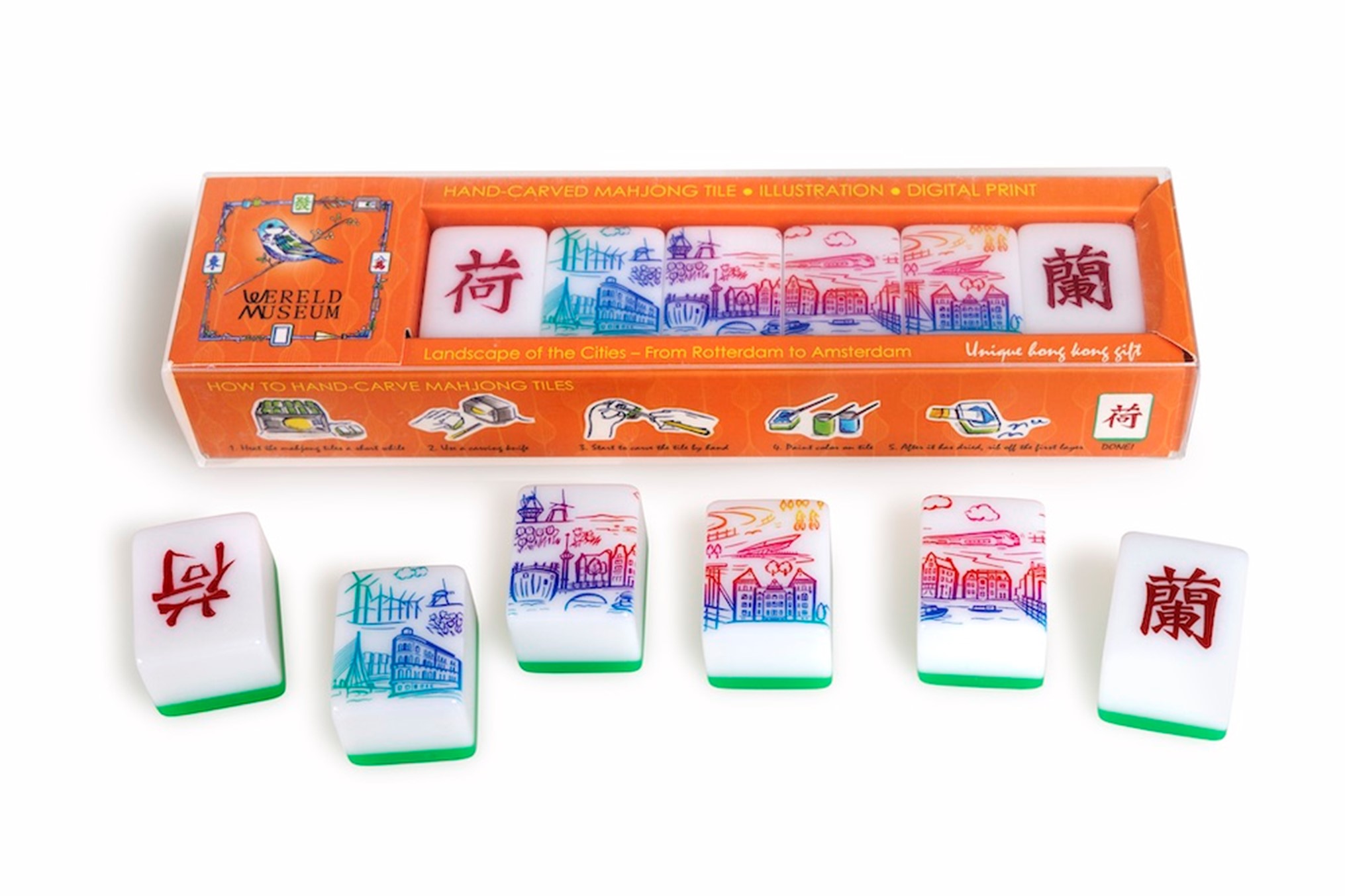
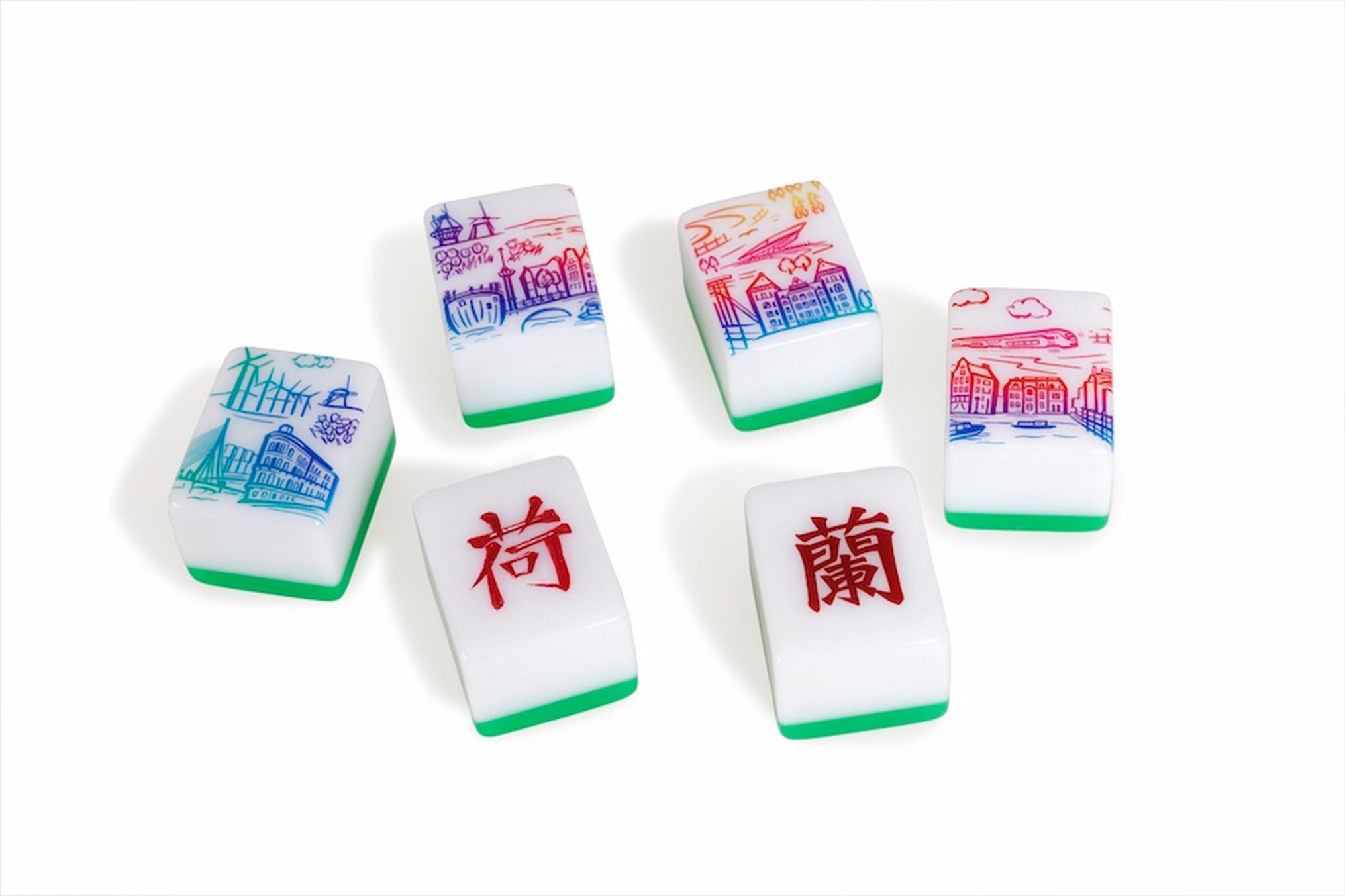
This special edition consists of six unique Mahjong tiles, created for the Made in China exhibition in collaboration with Hong Kong illustrator Karen Aruba. Rather than forming a complete game set, the tiles are presented as individual design objects that reinterpret Mahjong through a contemporary visual language, connecting Hong Kong’s craft traditions with Dutch cultural references.
Each tile becomes a small narrative surface, combining illustration, symbolism, and storytelling. The outer tile is hand-carved by master craftsman Ricky Cheung with the characters helan (荷蘭), meaning “the Netherlands,” while Karen Aruba contributes the graphic imagery and design. Together, father and daughter bring together traditional carving techniques and contemporary illustration in a cross-generational collaboration.
As a limited group of six, the tiles shift the focus from gameplay to interpretation. They highlight Mahjong not only as a traditional game, but as a cultural system of symbols and meaning—open to reinterpretation, translation, and artistic dialogue across generations and geographies.
Yixing Teapots & Cups: Everyday Ritual in Clay
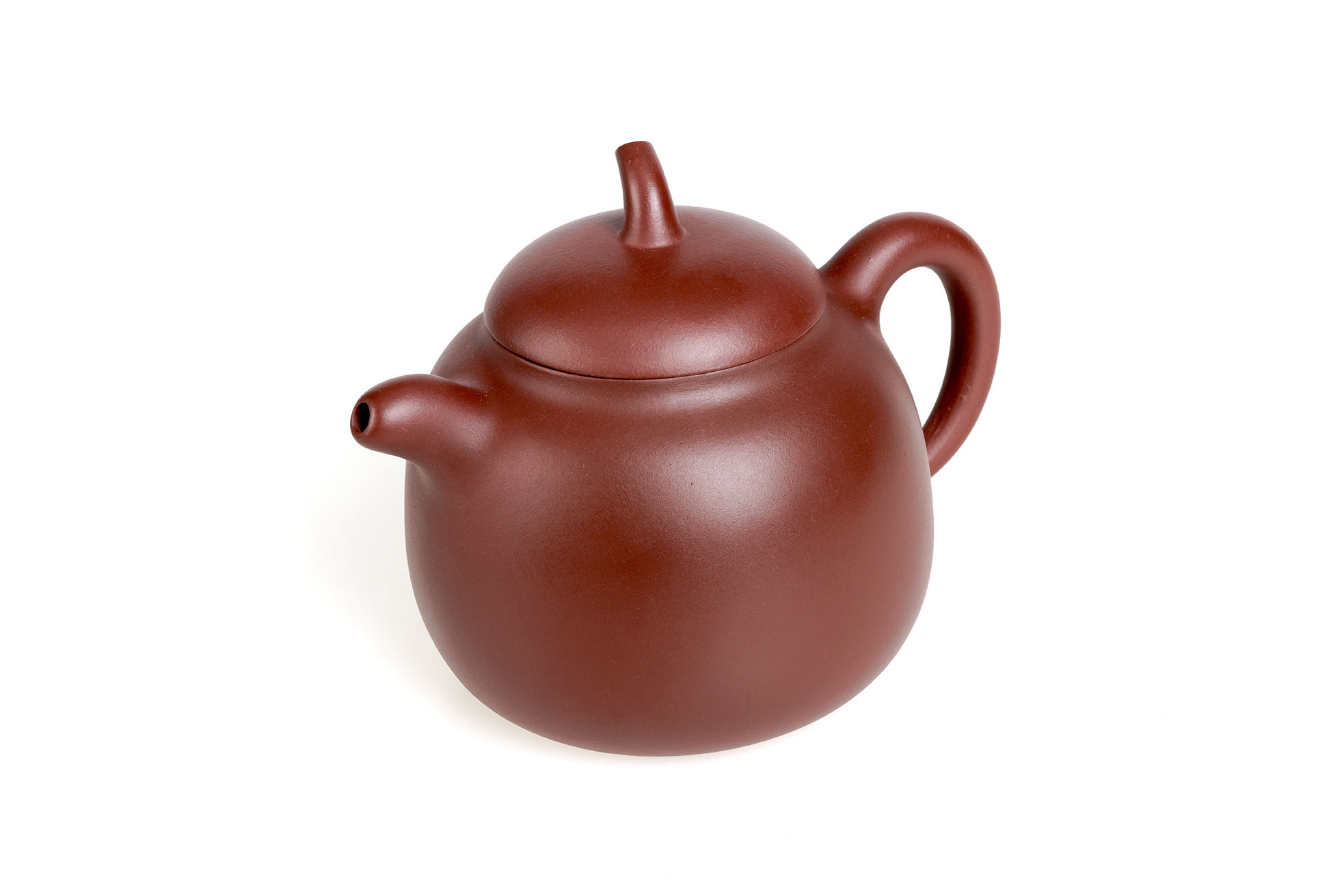
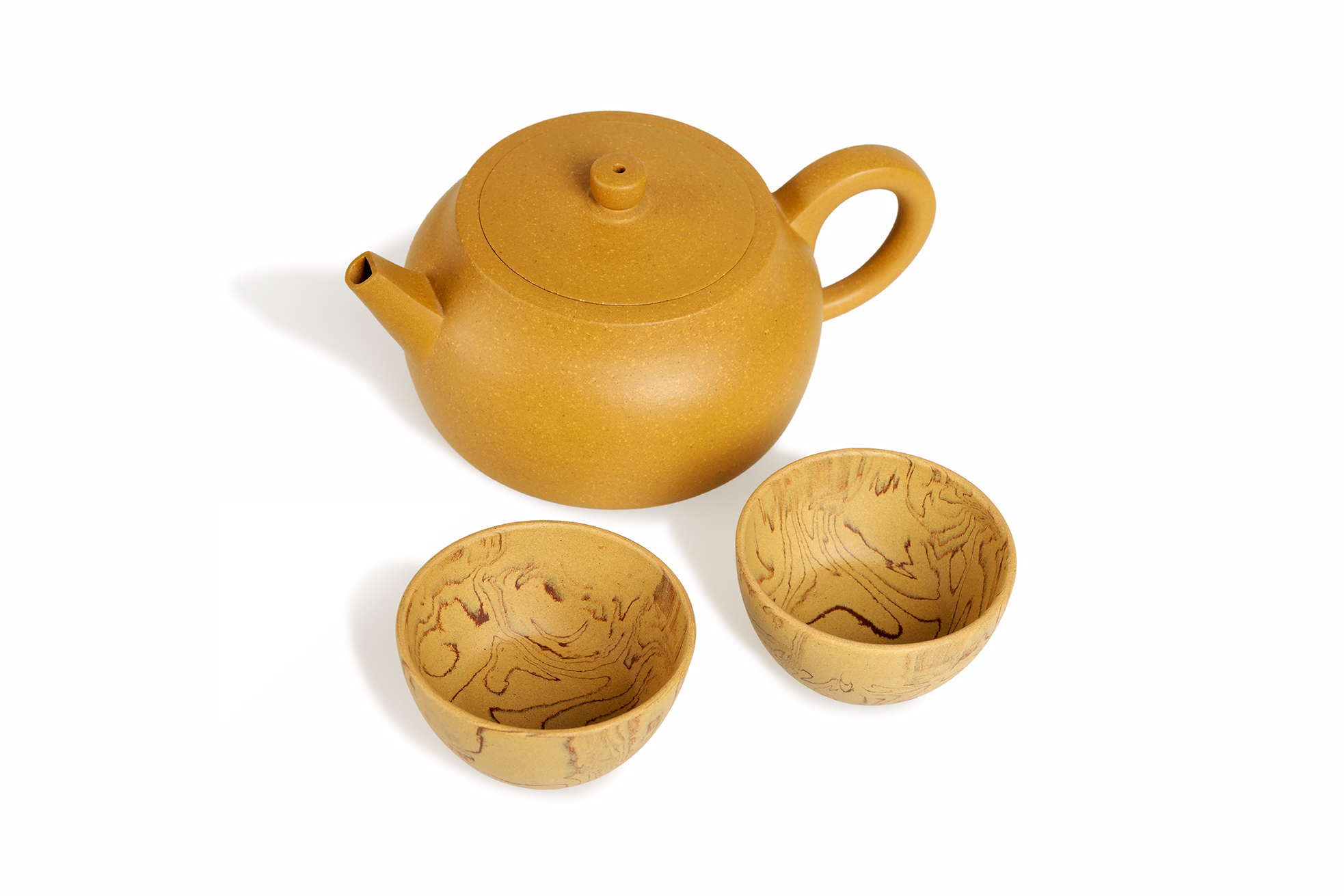
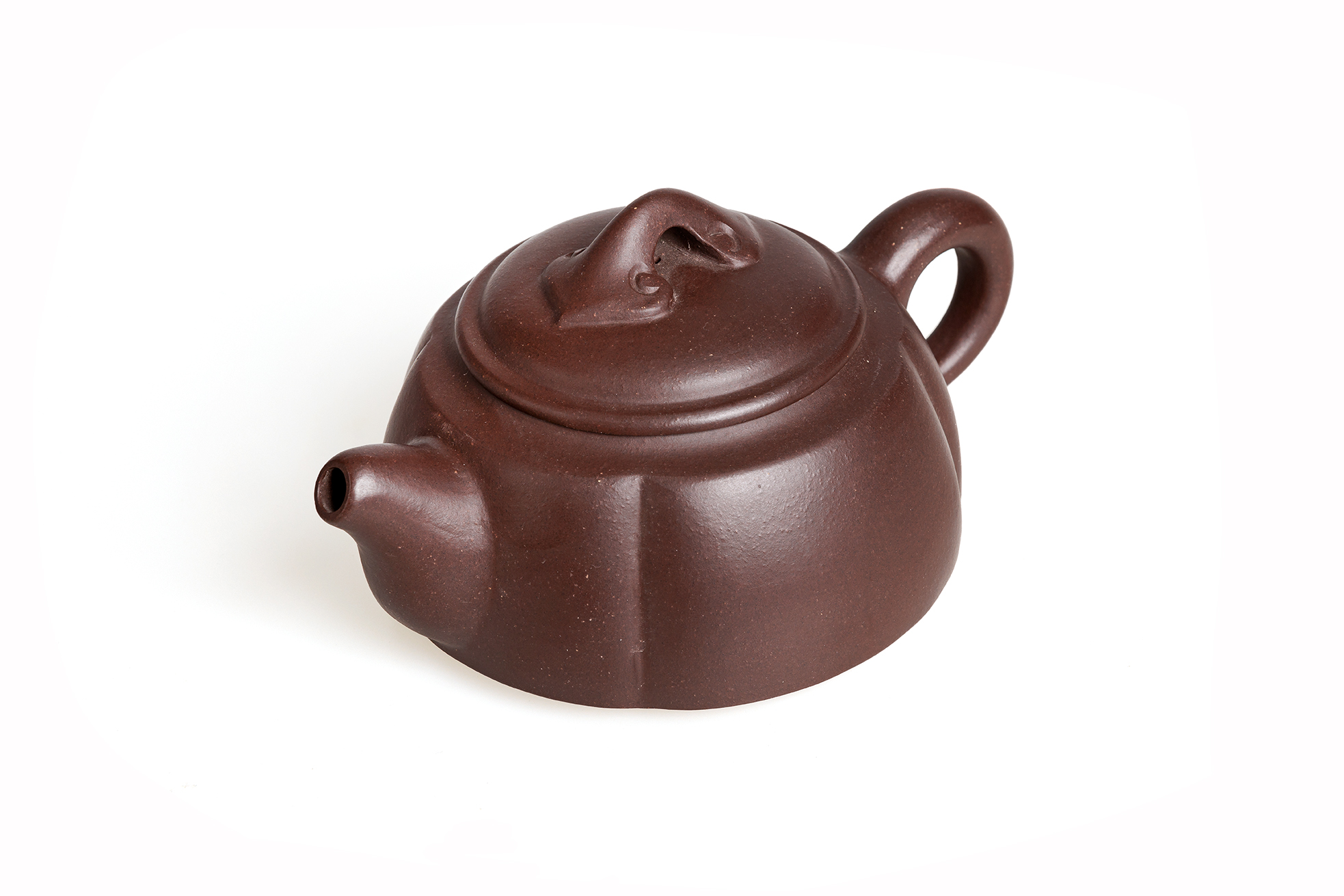
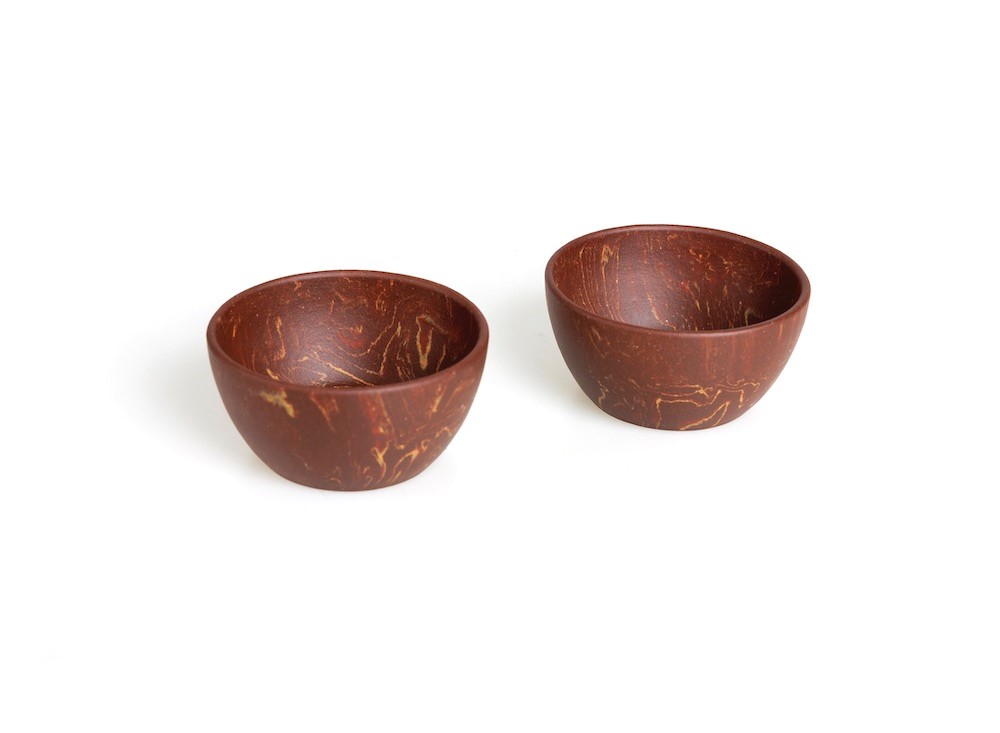
The Yixing teapots and cups featured here draw on a long tradition of Chinese purple clay craftsmanship from Yixing in Jiangsu province. Known for their unglazed surfaces and mineral-rich clay, Yixing wares have been used for centuries in tea preparation, valued for how they respond to heat, use, and time. Rather than decorative objects, they are fundamentally functional vessels—designed to be held, poured, and used in repeated ritual.
The teapots included in this selection are presented as variations on traditional Yixing forms, each shaped around balance, proportion, and tactile precision. Their names—such as Qie Duan, Chou Jiou, and Xin Yuan Zhi Fang—refer to stylistic models within this broader ceramic tradition, rather than individual designers. Together they highlight the continuity of workshop-based production in Yixing, where knowledge of form is passed through generations rather than signed by a single author.
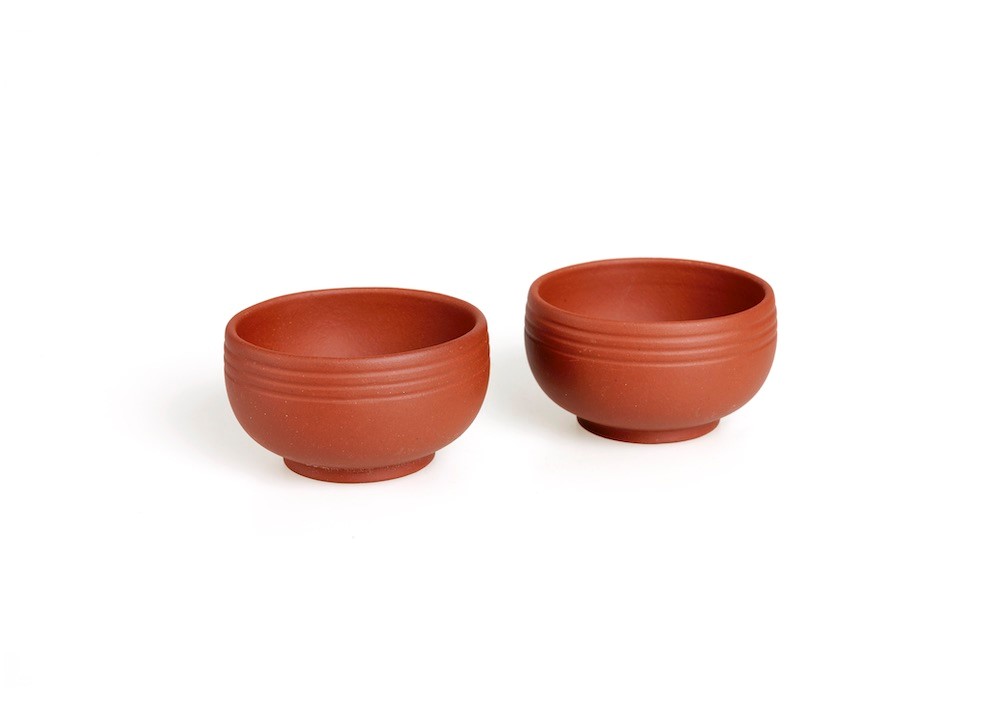
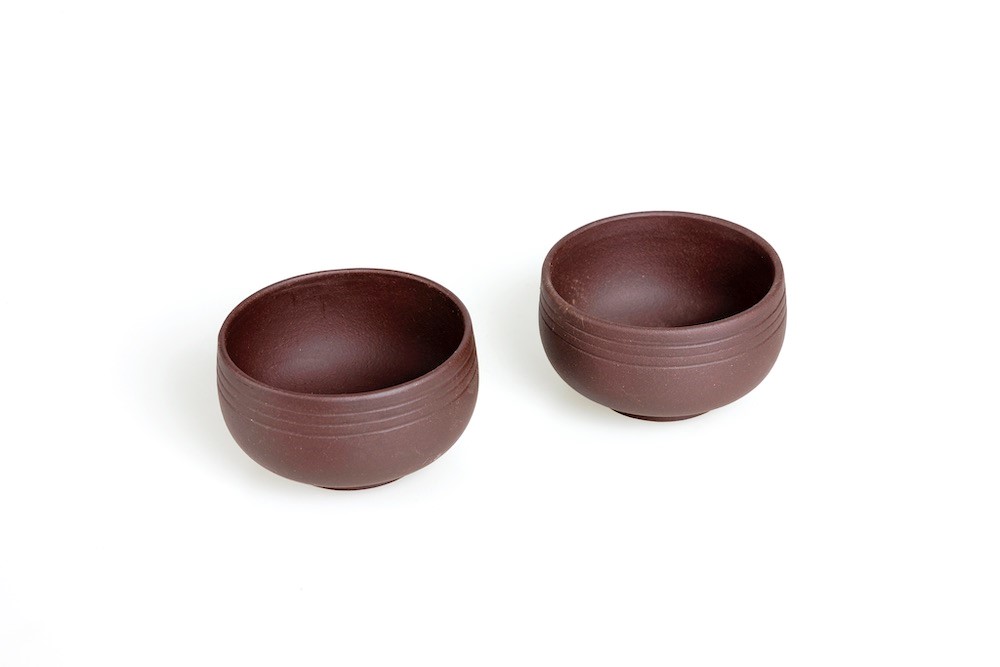
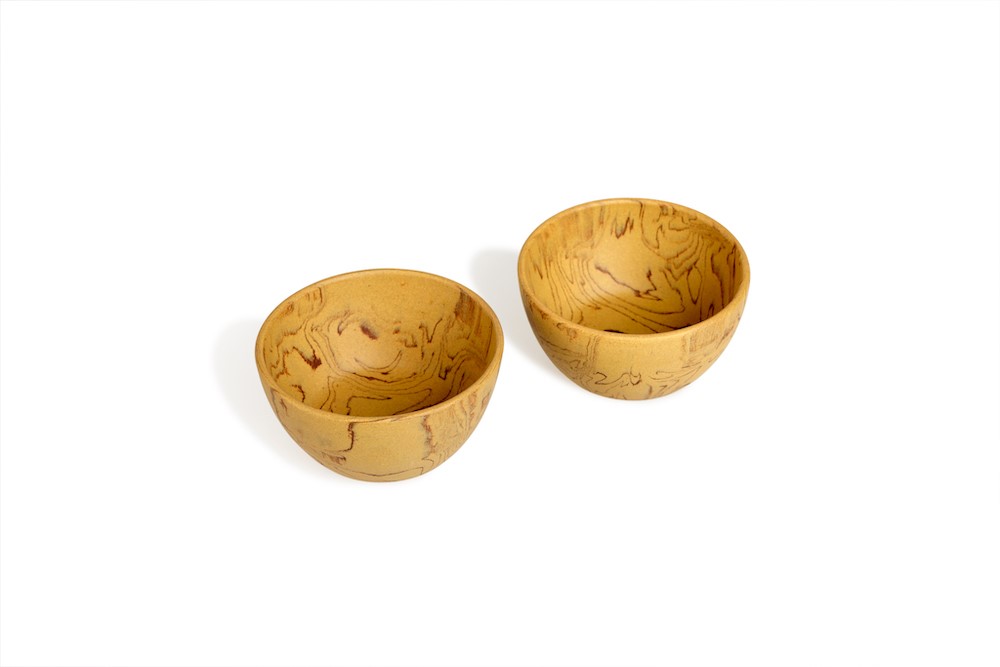
Alongside them, the Yixing cups in mixed and red clay extend this same material language into a more direct, everyday scale. Simple in form and understated in finish, they reflect the same emphasis on function, touch, and repeated use. Whether in teapot or cup, the focus remains on the relationship between clay, water, and time—where each object becomes subtly transformed through daily ritual.
Featured Designer: Caroline Cheng
Caroline Cheng is an internationally recognised ceramic artist, curator, and entrepreneur whose practice bridges contemporary design and traditional Chinese craftsmanship. As founder of The Pottery Workshop, with studios in Hong Kong, Shanghai, Jingdezhen, and Dali, she has played a key role in preserving and reinterpreting ceramic traditions while fostering global exchange around making and material culture. Her work has been shown and collected by major international museums, reflecting her long-standing influence in the field of contemporary ceramics.
In parallel with her artistic practice, Cheng explores new material futures and sustainable approaches to production, including the creative reuse of ceramic waste in design processes. Her work often moves between craft, industry, and experimentation, challenging how we think about materials and value.
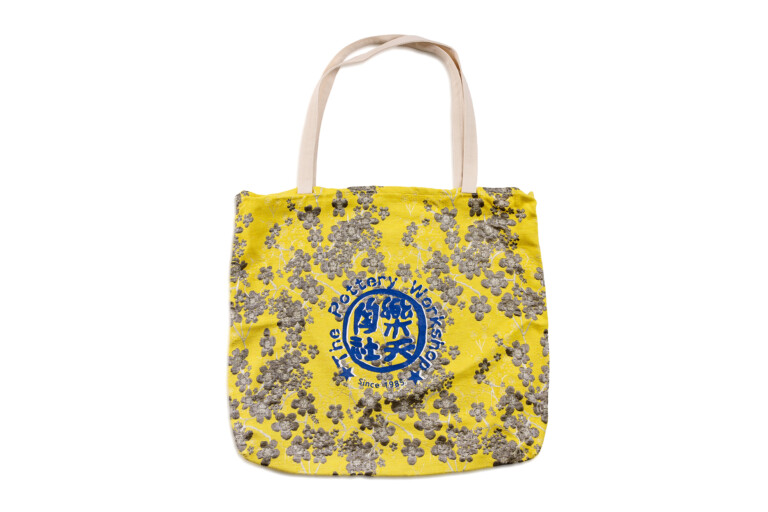
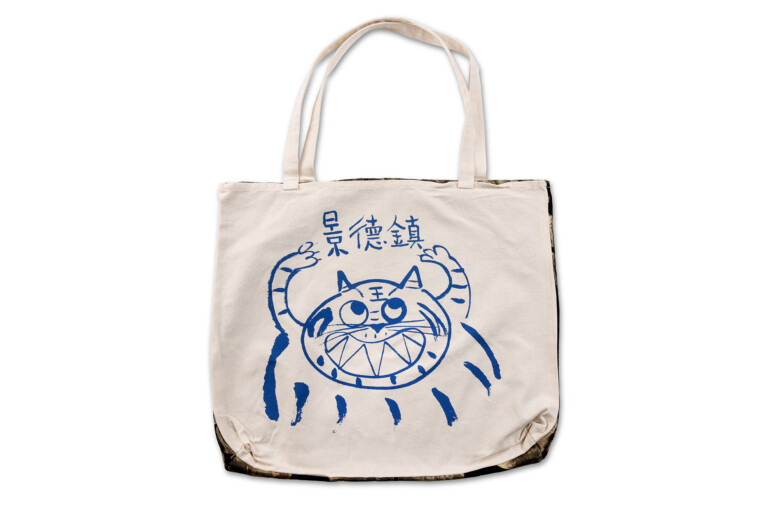
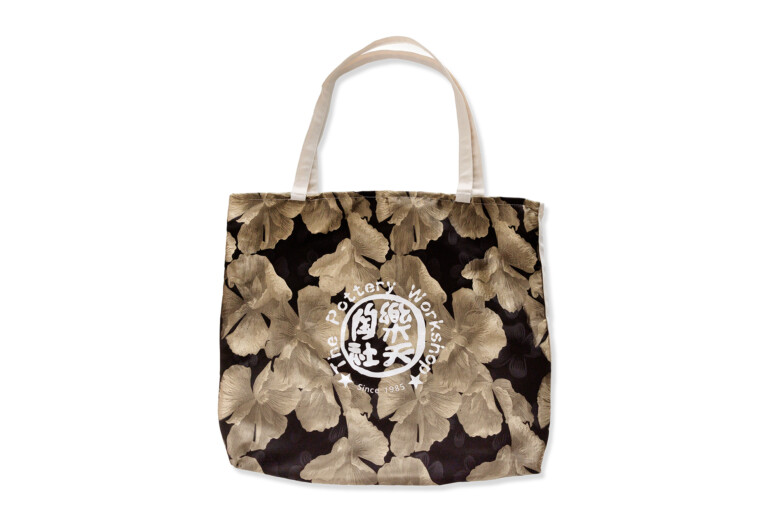
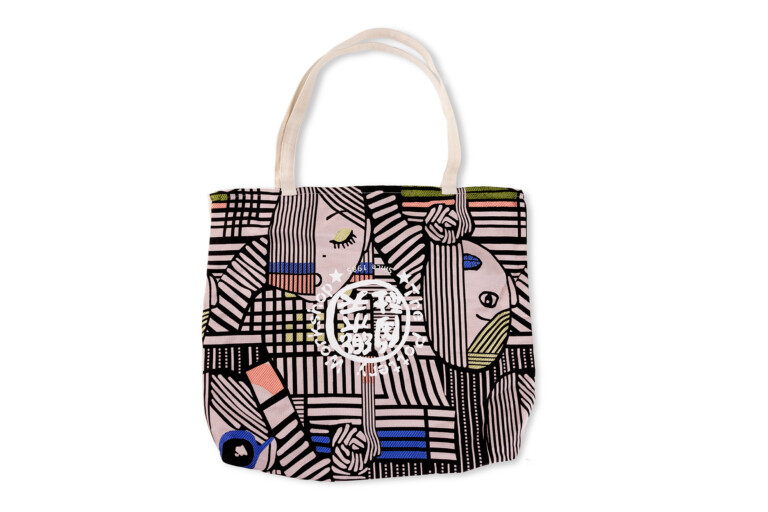
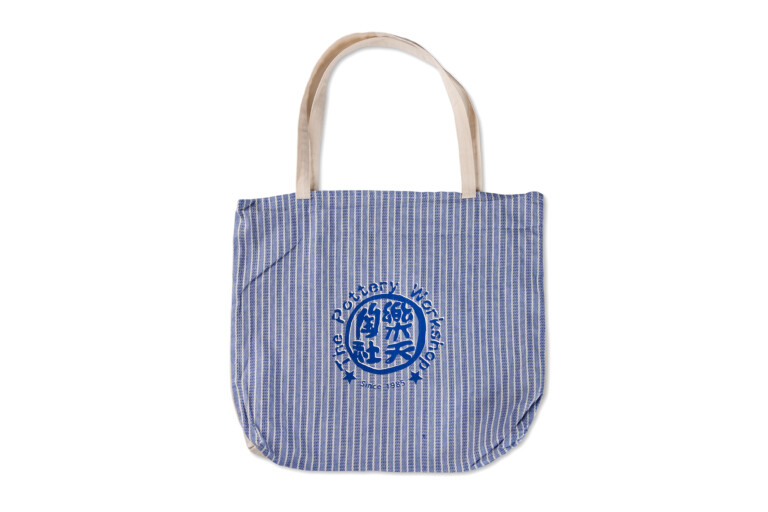
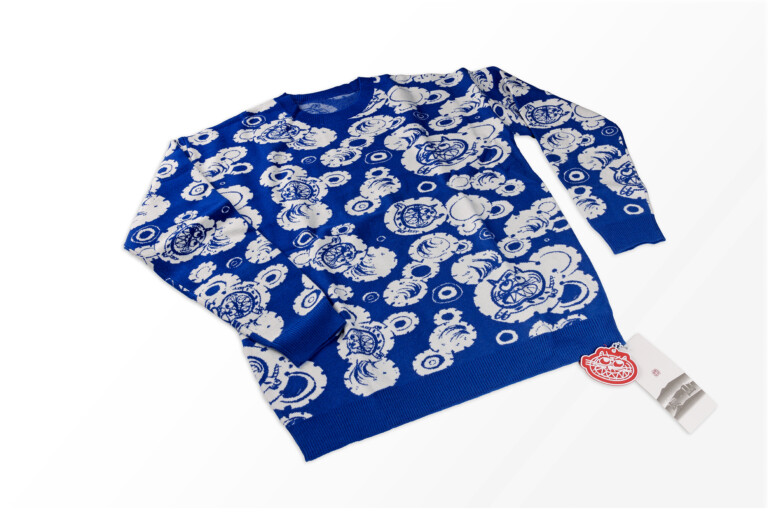
For the Made in China exhibition at Wereldmuseum Amsterdam, this perspective is translated into a series of wearable objects. The tote bag and sweater draw on her visual language and material sensibility, turning everyday items into subtle extensions of her ceramic practice. They reflect her ongoing interest in how design can connect heritage, innovation, and daily life in tangible, accessible forms.
Wuyong Living Space Gift Pouch: Cherishing Everyday Objects
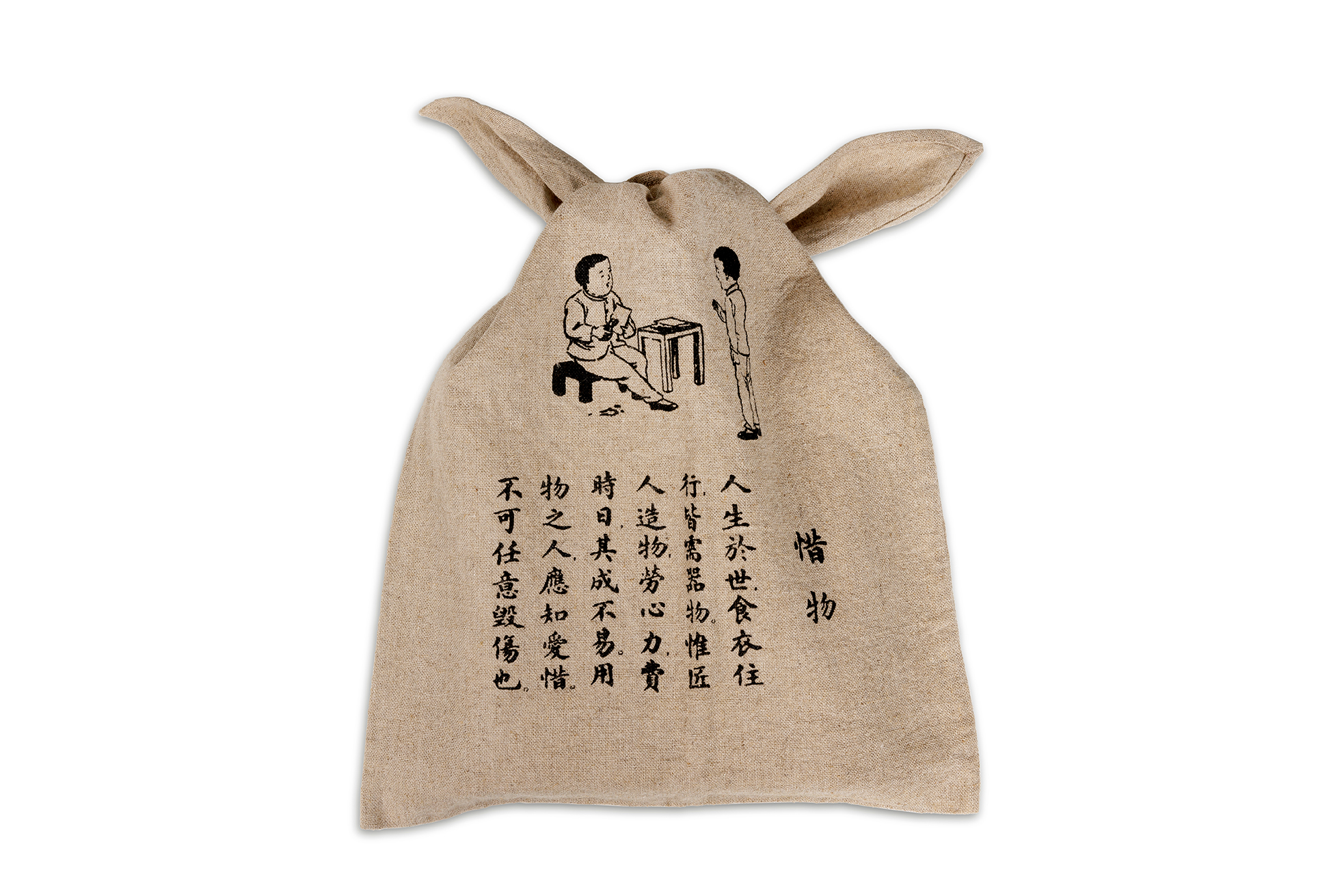
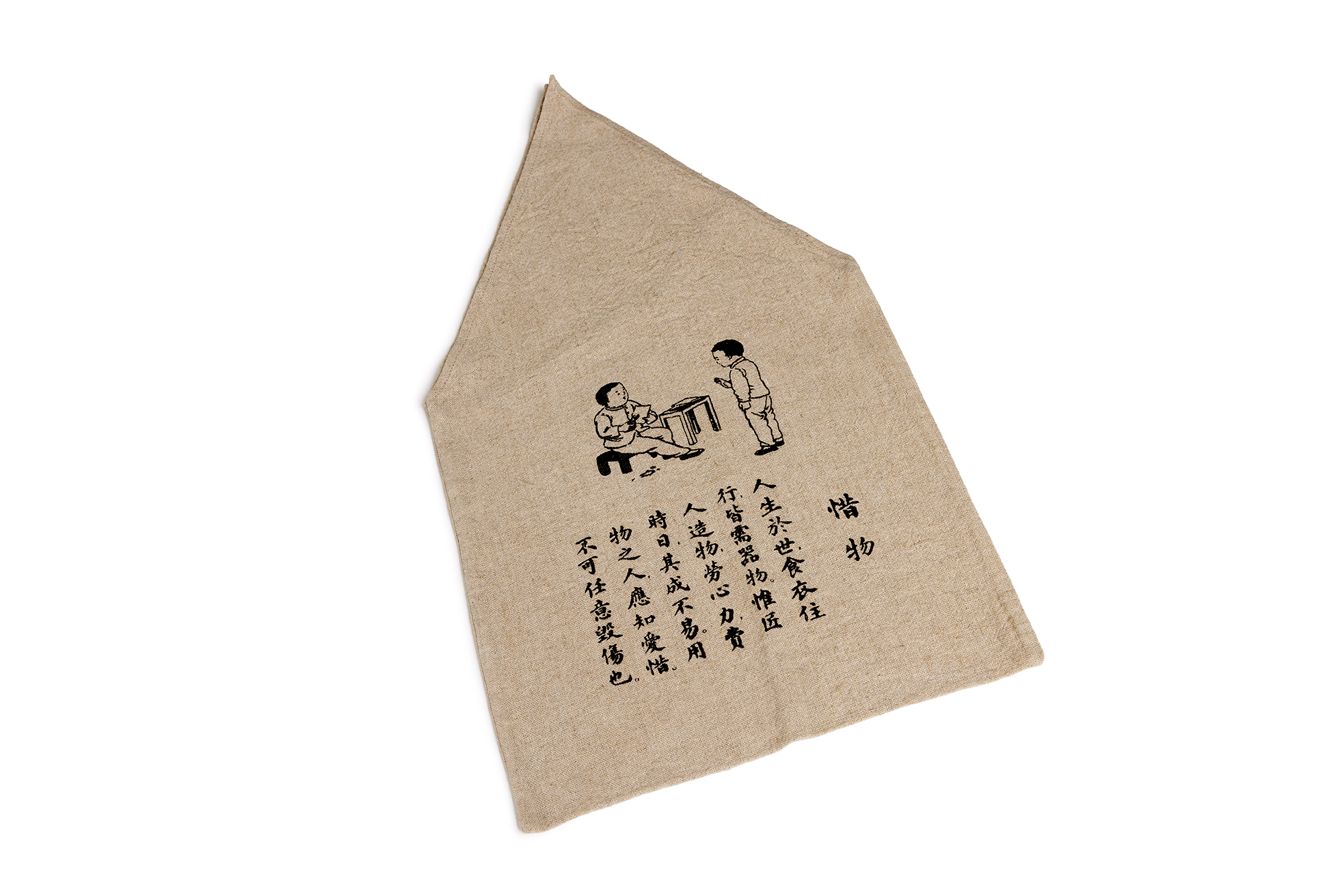
The Wuyong Living Space gift pouch is rooted in the philosophy of designer Ma Ke and her broader project Wuyong (“useless”), a movement that reconsiders the value of materials, labour, and everyday objects. Emerging from a practice deeply connected to traditional Chinese craft and rural production systems, Wuyong focuses on simplicity, sustainability, and a respectful relationship with what we own and use.
The pouch carries a printed text titled “Cherish(ing) Things”, which reflects on the human dependence on material objects for daily life—while also reminding us of the effort and craftsmanship embedded in their making. Rather than treating objects as disposable, it encourages care, longevity, and awareness of the labour behind production.
As part of the Made in China exhibition selection, the gift pouch acts less as a decorative accessory and more as a conceptual object. It translates Wuyong’s broader philosophy into a portable form: a reminder that design can carry ideas about responsibility, sustainability, and the quiet ethics of making and using things.